
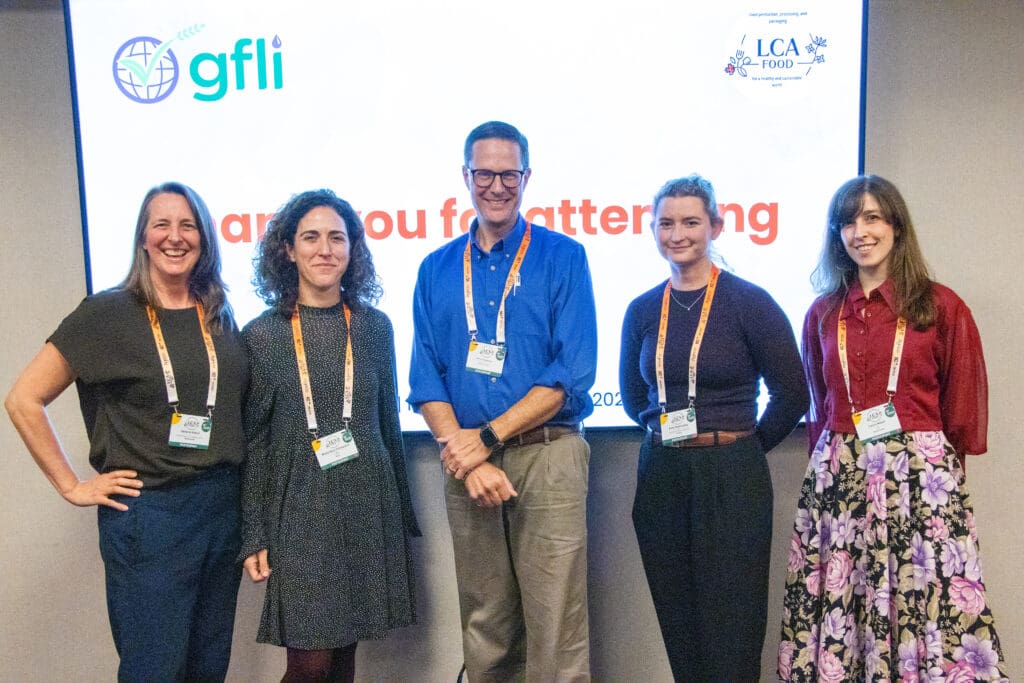
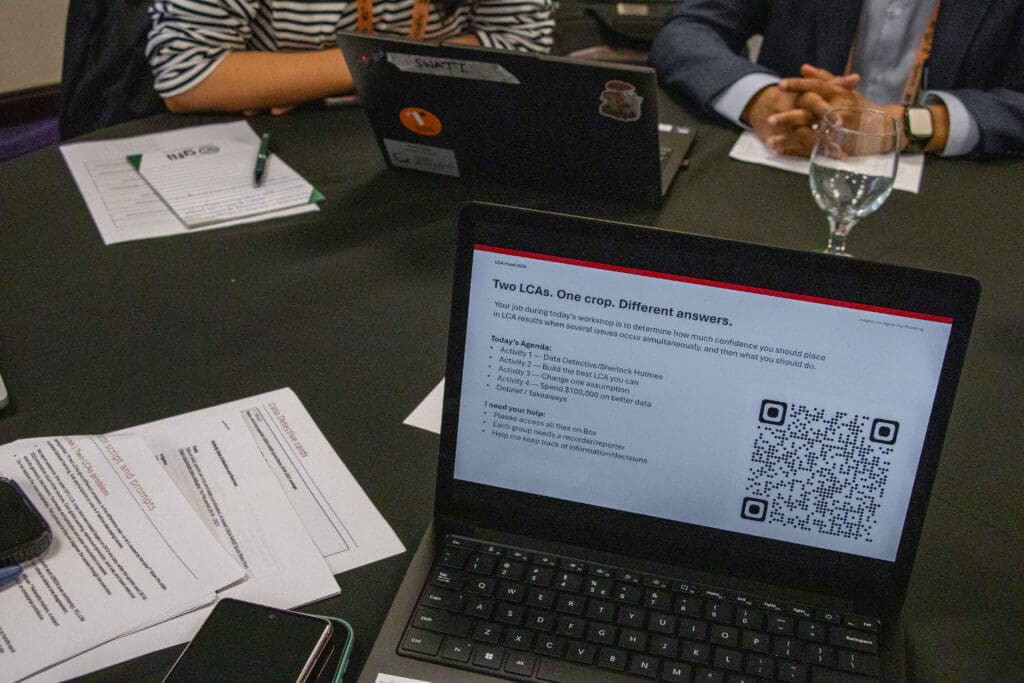
On 12 October 2026, the Global Feed LCA Institute (GFLI) brought together researchers, Life Cycle Assessment (LCA) practitioners and technical experts from different countries for an interactive half-day workshop at LCA Food 2026 in Montréal.
As the only workshop at the conference dedicated specifically to Feed LCA, the session created a space to take a deeper dive into some of the challenges facing Feed LCA today – harmonized data methodology and collection while considering granular modelling approaches to accurately
reflect production. And, importantly, to discuss these challenges from different perspectives.
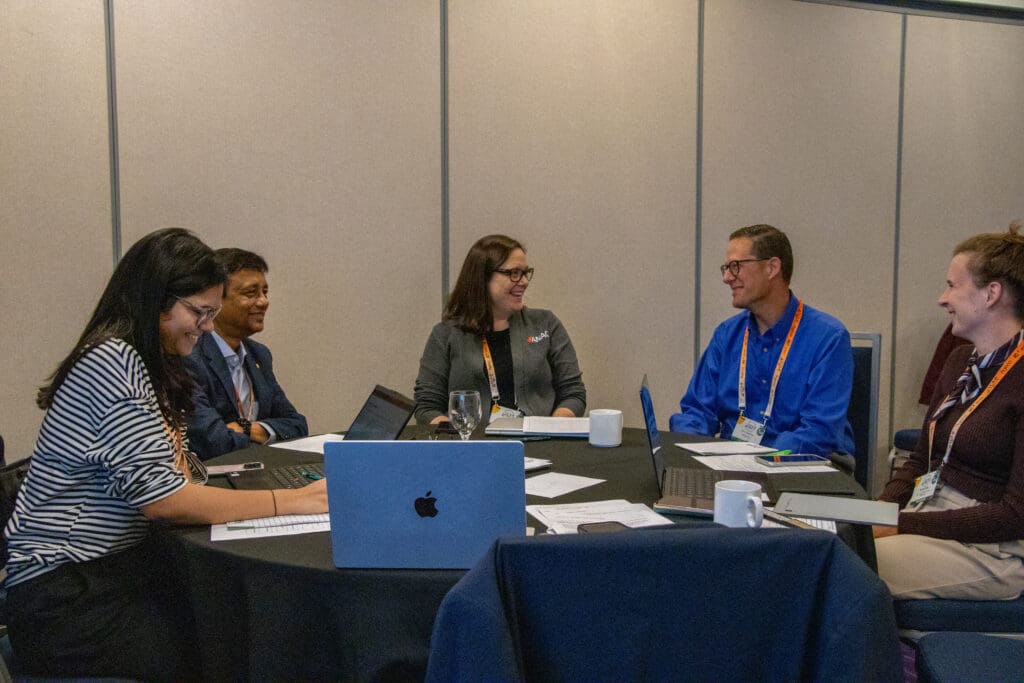
Around 25 participants from different countries and areas of expertise joined the workshop. The focused setting allowed for in-depth conversations and active knowledge exchange between research, industry and the wider LCA community.
Three perspectives on advancing Feed LCA
The workshop featured three expert breakout presentations and discussions, each approaching the development of Feed LCA data from a different perspective.
- Nathan Pelletier (UBC) & his PRISM lab PhD students opened the discussion with “High Resolution or Right Resolution?”, exploring geographical resolution and data quality goals, as LCAs are retrospective and therefore can gain insights about whatcan be improved for the future as well. Academic aspirations were also discussed compared to the level of needs from the industry, and how that could fit into a global emission database such as the GFLI database.
- Marta Ruiz (IRTA) “Regionalised scenario analyses”, spoke about the characterization factors influencing data and whether they are represented in LCAs with such sufficiency as to make informed decisions. The efforts that go into creating more granular data, with for example the impact of pesticide use on biodiversity, should also be reflected in databases, and in the end the question of who’d pay for that, too.
- Kurt Rosentrater (ISU) presented “higher-tier approaches for US crop data”, that opened the discussion about ‘choosing the next best thing’ when data gaps are encountered – which in any LCA data project is the case. There are many options to go for, like geographical proxies, using a national average, or estimate based on related information, or even to exclude the data.
From listening to contributing
The workshop was designed to go beyond presentations. During interactive breakout sessions, participants were invited to bring their own knowledge and experiences into the conversation.
Together, the sessions raised important questions around data resolution, regionalisation and higher-tier approaches.
Reporting back from the sessions, perhaps more questions than answers emerged from the discussions:
How detailed should LCA data be? Where does greater regional specificity add value? And how can methodological developments remain scientifically robust while also supporting practical applications?
“This workshop was very interesting for GFLI as we strongly believe in improving methodologies and how to robustly allow higher tier models to improve the representativeness of data. Having such expert researchers provide mini master classes to the group of participants and allow academics and industry to discuss was very valuable.”
— Laura Nobel, manager, GFLI
Collaboration across the agri-food value chain
One of the key messages emerging from the workshop was the importance of collaboration. Feed represents an important part of the environmental footprint of food production, which means developments within Feed LCA have relevance far beyond the feed sector itself.
Bringing together researchers, LCA practitioners, feed industry experts and downstream partners helps create a better understanding of both the scientific challenges and the practical needs surrounding environmental assessment.
The workshop provided an opportunity not only to share what is already happening within the feed sector, but also to hear from the wider LCA community about where further development, alignment and collaboration may be needed.
Continuing the conversation
The discussions in Montréal do not end with the workshop. The insights and perspectives shared by participants will contribute to GFLI’s ongoing work to advance transparent, harmonised and science-based environmental assessment of feed ingredients. Only through collaborations can wesolve data gaps and have informed discussions about what level of resolution the data should be.
GFLI would like to thank Nathan Pelletier and his students, Marta Ruiz and Kurt Rosentrater, as well as all participants, for sharing their expertise, asking challenging questions and contributing to an open and constructive discussion.
Stay connected with GFLI
Want to continue the conversation and stay informed about developments in Feed LCA? Subscribe to GFLI Connect, our public newsletter, for the latest insights, updates, events and developments from the GFLI community.
Organisations looking to become more actively involved in advancing harmonised and science-based Feed LCA can also explore GFLI membership and join our international network of organisations working together to strengthen environmental assessment across the feed and food value chain.
→ Subscribe to GFLI Connect: https://globalfeedlca.org/gfli-connect/
→ Discover GFLI membership: https://globalfeedlca.org/gfli-members/become-a-member/
You can also follow GFLI on LinkedIn to stay connected with our community and upcoming activities.